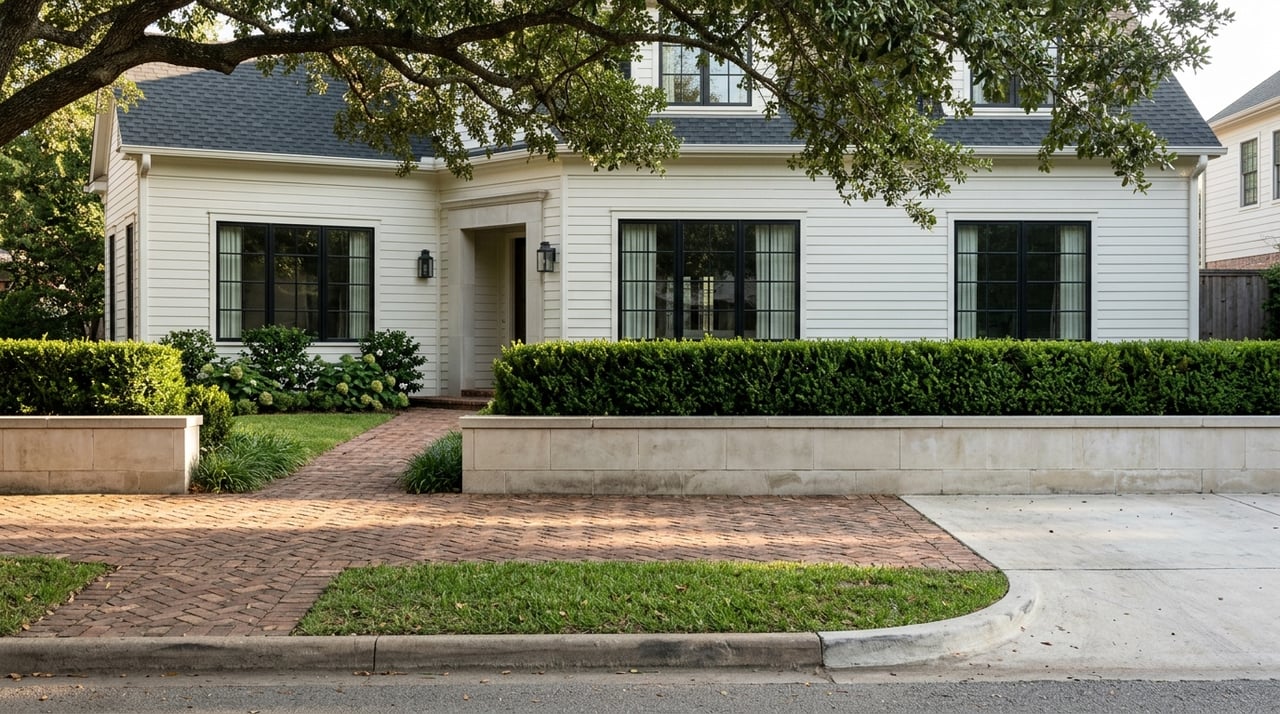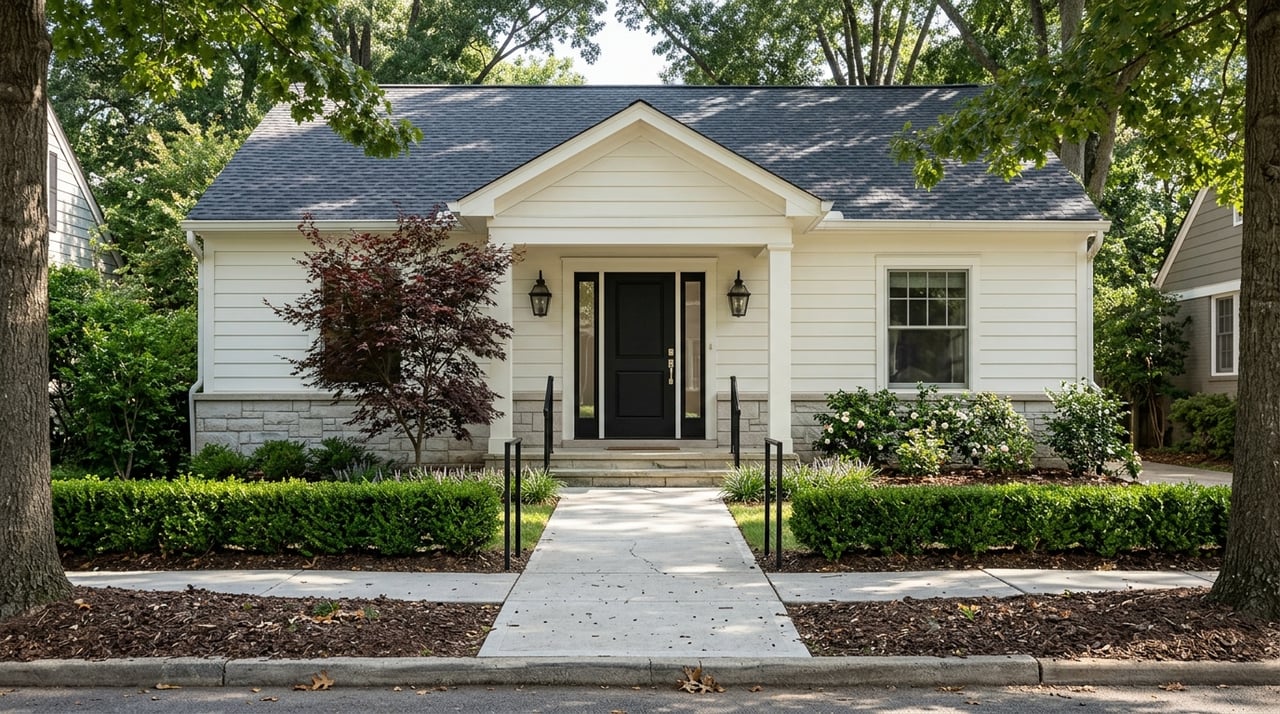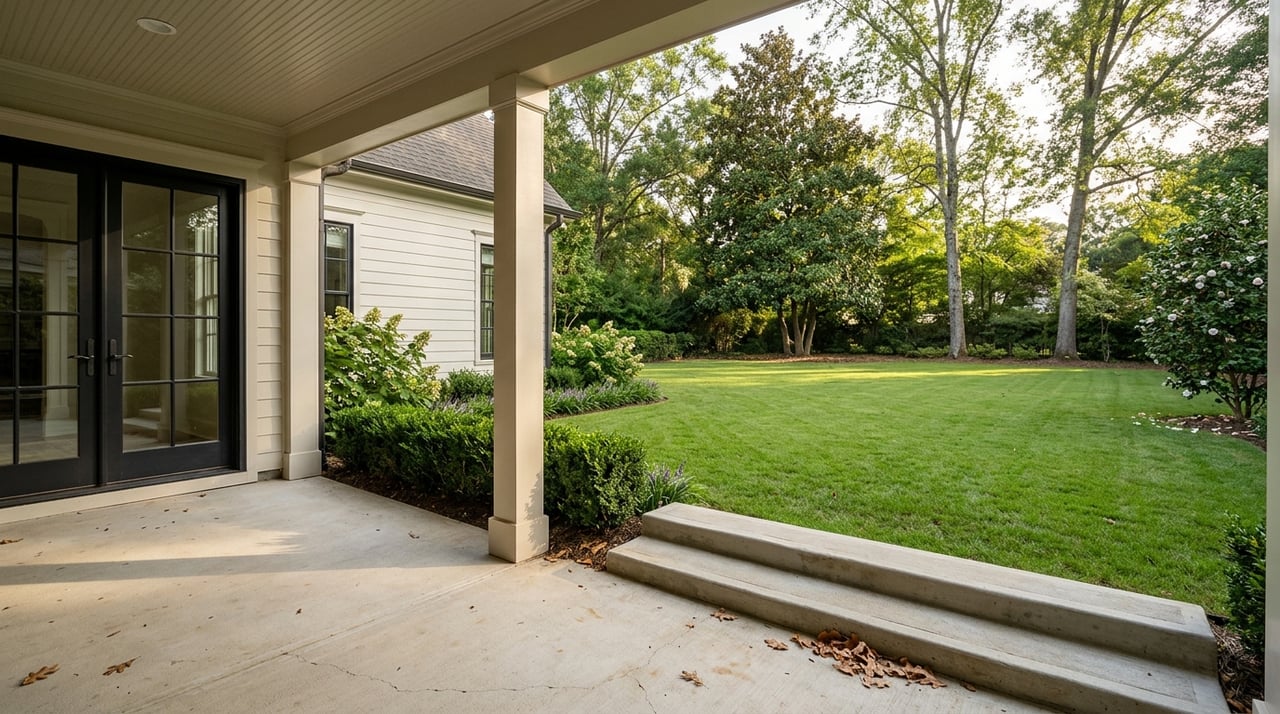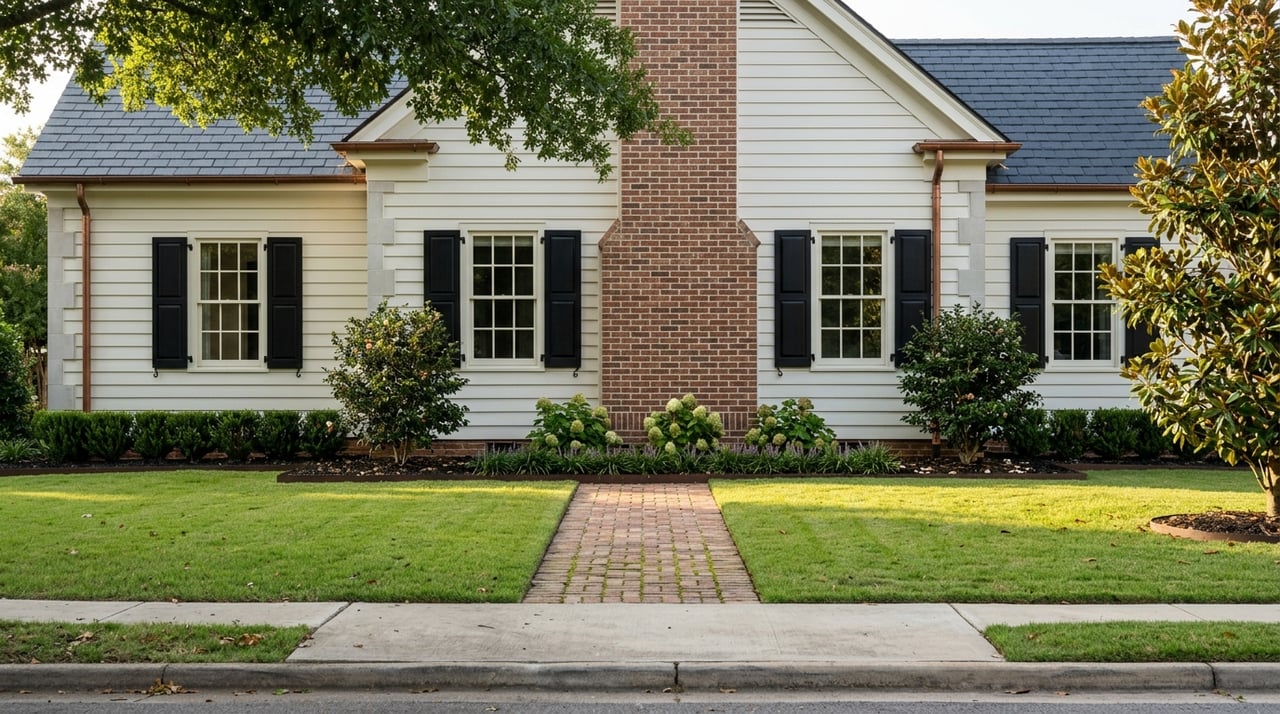
If you have ever walked through Ansley Park and wondered why some homes feel instantly memorable, the answer is bigger than a pretty façade. In this neighborhood, architectural significance comes from how a house fits into a larger story of landscape, planning, and design. If you are buying, selling, or simply trying to understand what sets certain properties apart in 30306, this guide will help you see what truly matters. Let’s dive in.
Why Ansley Park Stands Apart
Ansley Park is significant not only because of its homes, but because of the way the neighborhood was planned. The American Planning Association describes it as a planned garden suburb with curving streets, landscaped promenades, 14 parks, and skyline views. National Register documentation also notes that the neighborhood was shaped by topography rather than a rigid street grid.
That distinction matters when you evaluate a home here. In Ansley Park, the surrounding streetscape, green space, and lot placement are part of the architectural experience. A home often feels important because it belongs to an intact, carefully designed setting.
How the Neighborhood Plan Adds Significance
Curving Streets and Parks Matter
In many neighborhoods, architecture begins at the front door. In Ansley Park, it starts with the block, the terrain, and the park system. The original plan followed the natural lay of the land, with streets aligned to slopes and ridges and parks placed on hilltops and in dales.
That gives the neighborhood a softer, more picturesque feel than a standard grid. It also means a home’s setting can carry real weight when people talk about architectural significance. A park-facing site, a prominent corner lot, or a house placed naturally into the hillside can all strengthen a property’s presence.
Rear Alleys Shaped the Streetscape
Another defining feature is how garages were handled. The Ansley Park Civic Association describes the neighborhood as Atlanta’s first subdivision designed with cars in mind, and the National Register nomination notes rear alleyways that served hidden garages.
That planning choice helped preserve a residential, park-like street view. Even today, homes with visually secondary garages and a clean front elevation often feel more faithful to the neighborhood’s original design intent.
Why House Style Alone Is Not Enough
Ansley Park Is Deliberately Eclectic
One of the most interesting things about Ansley Park is that it is not tied to a single architectural style. The district includes late Victorian cottages, Queen Anne, Italian Renaissance and Villa forms, Baroque, Prairie School, Craftsman bungalows, Colonial and Federal Revival, Tudor, Beaux-Arts, and later Modern examples.
That mix is part of the appeal. The neighborhood feels cohesive not because every house looks the same, but because different styles were placed within one unified landscape plan. In other words, the setting ties the architecture together.
Scale Helps Define Importance
Architectural significance in Ansley Park also comes from scale. According to the National Register nomination, the neighborhood includes one-story bungalows and cottages, two-story houses, three-story mansions, and larger apartment buildings.
There is a clear hierarchy in how those buildings are placed. Larger homes and buildings tend to occupy primary streets, corner lots, or park-facing sites, while smaller houses are often found on secondary streets. That pattern helps explain why some homes feel especially prominent even when the entire district is visually coherent.
Why Provenance Can Elevate a Home
Notable Architects Left a Strong Mark
In Ansley Park, provenance often matters just as much as style. The neighborhood includes work associated with A. Ten Eyck Brown, Neel Reid, Walter Thomas Downing, Philip Trammell Shutze, Henry Hornbostel, Leila Ross Wilburn, and other recognized designers.
For buyers and sellers, that can add a deeper layer of meaning. A house is not simply attractive. It may also reflect the hand of an architect who helped shape Atlanta’s residential design history.
Total Design Often Counts
A city preservation profile on Neel Reid notes that he was known for treating the exterior, interior, and landscape garden as one composition. That idea is especially important in Ansley Park, where the strongest homes often read as complete works rather than isolated buildings.
This is why architectural significance here usually goes beyond one front-facing detail. The house, garden, lot placement, and approach from the street often work together as one visual composition.
Landmark Examples Add Context
Specific examples help show how this works in practice. The Ansley Park Civic Association identifies Brown’s work in the neighborhood, including the former Georgia Governor’s Mansion and his own residence. The National Register nomination also highlights Reid’s Colonial and Federal Revival houses, Shutze’s Beaux-Arts apartment design, and Hornbostel’s Habersham Hall.
For a homeowner, this history can shape how a property is perceived in the market. Buyers who value design and provenance often respond to a home that can be placed within a clear architectural lineage.
What Buyers Notice in Significant Homes
Original Character Still Matters
In Ansley Park, the homes that feel most special often retain a strong sense of authenticity. Based on the National Register documentation, that usually includes intact façades, original masonry or wood detailing, preserved rooflines, and porch forms that still read clearly from the street.
These features help a house remain legible as part of the neighborhood’s original composition. Even in a luxury market, preserved character can be more compelling than newer changes that disrupt the home’s relationship to its setting.
Setting and Streetscape Support Value
The same source emphasizes that the district has very few intrusions and that the landscape and streetscape remain central to its historic identity. That supports a practical market takeaway. In Ansley Park, premium appeal tends to follow visual coherence, authenticity, and setting.
That does not mean every historic detail affects value in the same way. It does mean design-savvy buyers often place a premium on homes that still feel connected to the neighborhood’s larger planning story.
What Sellers Should Protect Before Listing
If you are preparing to sell an Ansley Park home, it helps to think beyond square footage and finishes. Buyers in this segment often respond to the overall composition first, then the details.
Focus on the features that help the property read clearly from the street and within the block. That may include:
- A well-preserved front elevation
- Original exterior materials and detailing where intact
- Rooflines, porches, and entry sequences that remain visually consistent
- Mature landscape that supports the home’s setting
- Garage placement that does not dominate the façade
The 2025 Ansley Park Neighborhood Conservation Study points in a similar direction. The study describes preservation of historic structures, streetscapes, and the overall neighborhood plan as a priority for many residents, and it specifically recommends side drives instead of front-facing garages to help preserve a consistent pedestrian-friendly streetscape.
Why Ansley Park Matters in Atlanta
Ansley Park also matters because it helped define a broader chapter in Atlanta’s growth. The City of Atlanta’s Brookwood Hills historic district page states that Ansley Park and Druid Hills were among the city’s first successful residential developments in the Olmsted-inspired romantic tradition.
That influence extended beyond the neighborhood itself. Later intown neighborhoods borrowed from curving street patterns and park-like settings established here. So when a home in Ansley Park is described as architecturally significant, that often reflects both its individual qualities and its place in Atlanta’s larger design history.
How to Read an Ansley Park Home Like an Expert
If you want to evaluate whether a home in Ansley Park is architecturally significant, start with a few grounded questions:
- Does the house relate well to the original landscape plan?
- Is the site prominent because of a park view, corner position, ridge, or slope?
- Does the front elevation remain visually clean and readable?
- Are original materials or defining forms still intact?
- Is the home tied to a known architect or design lineage?
- Does the property feel like a complete composition rather than a collection of updates?
The best Ansley Park homes usually check several of those boxes at once. Their significance comes from a combination of design, siting, integrity, and historical context.
If you are considering buying or selling an architecturally notable home in Ansley Park, nuanced guidance matters. The right strategy starts with understanding not just what the house is, but why it stands out. For tailored insight on positioning, presentation, and value in Atlanta’s most design-conscious neighborhoods, connect with Stacy Shailendra.
FAQs
What makes an Ansley Park home architecturally significant?
- An architecturally significant Ansley Park home usually combines original design features, strong site placement, a clear relationship to the neighborhood’s landscape plan, and sometimes a connection to a recognized architect.
Does an Ansley Park home need to be one specific style to matter?
- No. Ansley Park is known for an eclectic mix of styles, and its significance comes from that variety within one cohesive planned setting.
Why does garage placement matter in Ansley Park?
- Rear alleys and visually secondary garages were part of the neighborhood’s original plan, helping preserve a more residential and park-like street view.
What features help an Ansley Park home feel premium to buyers?
- Buyers often respond to intact façades, original exterior details, preserved rooflines and porches, mature landscaping, and sites that connect well to parks, corners, or the neighborhood’s topography.
Why do named architects matter in Ansley Park real estate?
- A home associated with architects such as Neel Reid, Philip Trammell Shutze, A. Ten Eyck Brown, or Henry Hornbostel can carry added historical and design interest because it connects the property to Atlanta’s architectural history.