When you prepare an older Ansley Park home for market, the goal is not to make it look new. It is to help buyers see the beauty that is already there. If you are wondering how to polish a historic home without stripping away the details that make it memorable, you are asking exactly the right question. With the right staging plan, you can highlight character, improve first impressions, and support a stronger launch. Let’s dive in.
Why Ansley Park calls for a different approach
Ansley Park is not a neighborhood of lookalike houses or flat, one-note streetscapes. First developed in 1904 as Edwin P. Ansley’s planned motorcar-oriented suburb, it is known for curving streets, skyline views, abundant green space, and a wide mix of architectural styles.
The American Planning Association describes Ansley Park as a 275-acre garden suburb with 14 parks. It also notes that parks make up roughly 30% of the neighborhood footprint. That matters when you stage a home here, because buyers are responding to more than square footage. They are also responding to landscape, setting, porch life, and architectural presence.
In practical terms, that means your staging should support the house rather than compete with it. The most effective choices usually preserve sightlines to windows, fireplaces, millwork, staircases, and greenery instead of filling every corner with furniture or trend-heavy decor.
Start with the highest-impact rooms
If you are trying to decide where to invest your time and budget, focus first on the rooms buyers notice most. According to the 2025 National Association of Realtors Profile of Home Staging, buyers’ agents considered the living room the most important space to stage at 37%, followed by the primary bedroom at 34% and the kitchen at 23%.
The same report found that the most commonly staged rooms were the living room, primary bedroom, dining room, and kitchen. For many historic Ansley Park homes, that creates a smart roadmap. You do not have to stage every inch at the same level to make a strong impression.
Living room: let the architecture lead
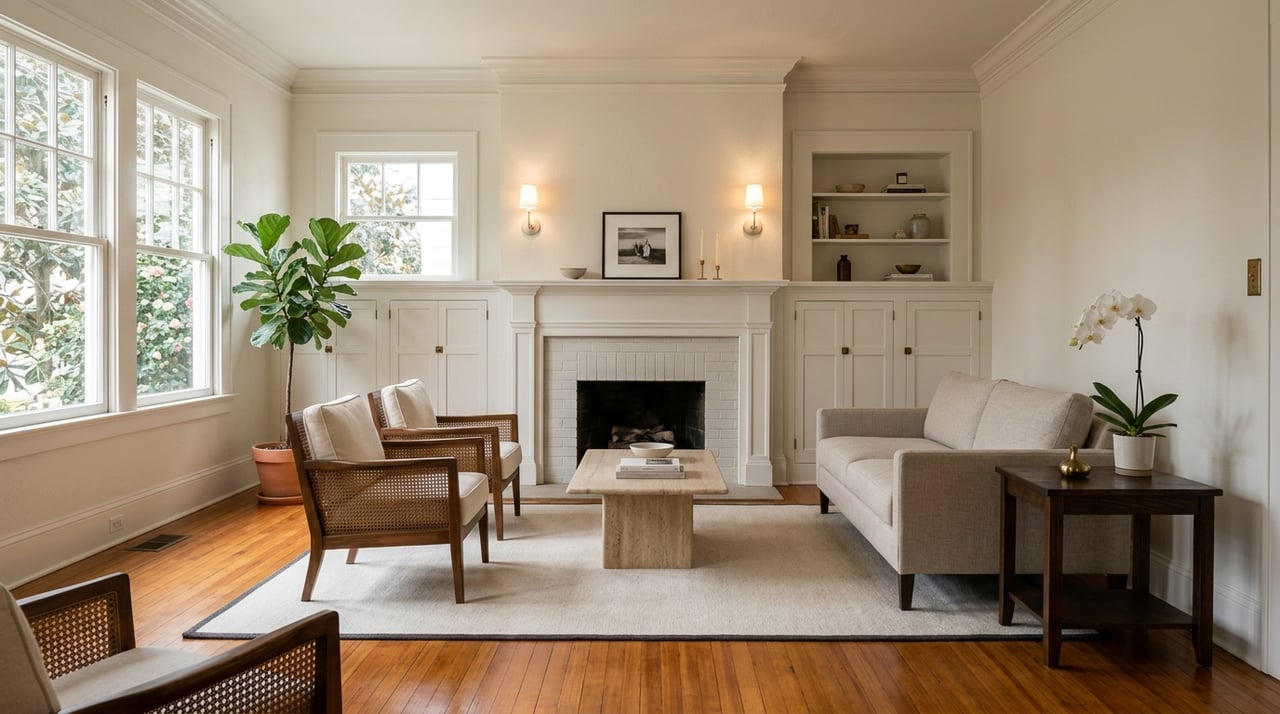
In a historic home, the living room often carries some of the strongest original details. Think fireplaces, built-ins, tall windows, trim work, or elegant proportions. Your job is to make those features easy to see.
Start by removing extra furniture. NAR advises sellers to take out one or two pieces in each room, which helps both in person and on camera. In an older living room, that often means using fewer, better-scaled pieces so the room feels open and the architecture stays in focus.
Primary bedroom: create calm and scale
The primary bedroom should feel restful, edited, and generous. That does not require a complete redesign. It usually means simplifying bedding, reducing visible personal items, and making sure furniture fits the room comfortably.
Historic homes can have unusual layouts or dimensions, so scale matters. A room that feels charming in daily life can look cramped online if it is overfilled. Clean lines, soft layers, and open pathways help the room read clearly.
Kitchen: clean, bright, and believable
Buyers pay close attention to kitchens, even in homes where they expect some vintage character. The goal is not to disguise the room or force a style that does not belong. The goal is to present it as clean, functional, and visually calm.
Clear counters, reduce small appliances, and keep styling minimal. A few intentional objects are enough. Buyers should notice the room itself, not a collection of accessories.
Dining room: support the home's story
In many Ansley Park homes, the dining room still plays an important role in the floor plan and visual flow. A simple, well-proportioned table setting can help the room feel purposeful without turning it into a showroom.
Keep the arrangement restrained. If the room has original trim, a dramatic window, or direct views to other formal spaces, let those elements stay front and center.
Edit hard without erasing personality
One of the biggest mistakes in staging a historic home is confusing editing with sterilizing. According to NAR, the most common seller recommendations are decluttering, cleaning the entire home, and improving curb appeal. Those basics matter because buyers and cameras both pick up distraction quickly.
That said, a historic house should not feel stripped of identity. You want to remove visual noise, not character. Original millwork, fireplaces, built-ins, porches, and period proportions should remain the anchors of the presentation.
What to remove first
A good first pass often includes:
- Excess furniture
- Distracting art
- Refrigerator magnets and paper clutter
- Overloaded bookshelves
- Heavy window treatments that block light
- Too many objects on tables, counters, and mantels
NAR also recommends keeping each surface to just a few objects of varying heights and opening blinds for natural light. That guidance is especially useful in historic homes, where daylight and window placement often help define the mood of the room.
What to keep
You do not need to erase every trace of warmth. A historic home can still feel layered and inviting. Keep pieces that help communicate scale, function, and elegance, especially if they complement the home’s age and proportions.
That might include a thoughtfully placed rug, a pair of chairs on a porch, or a few accessories that nod to the home’s style without becoming theme decor. The rule is simple: if an item supports the architecture, it stays. If it competes with it, remove it.
Treat the exterior like the first room
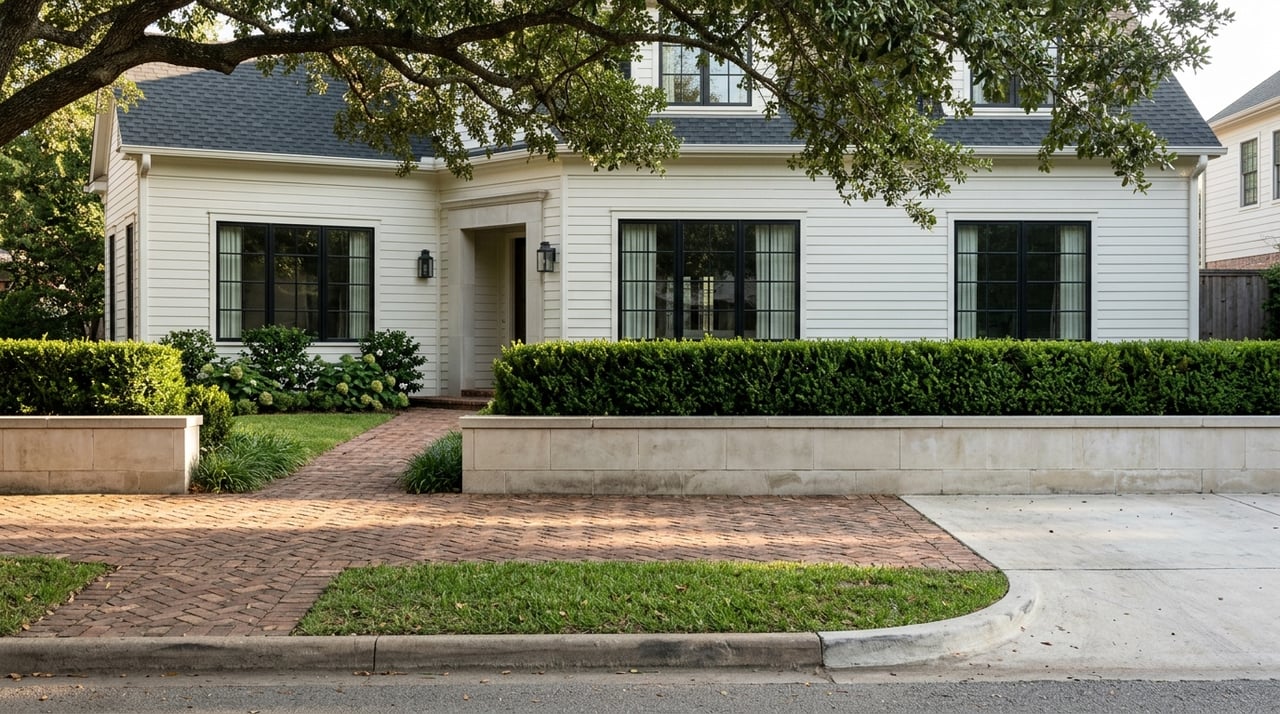
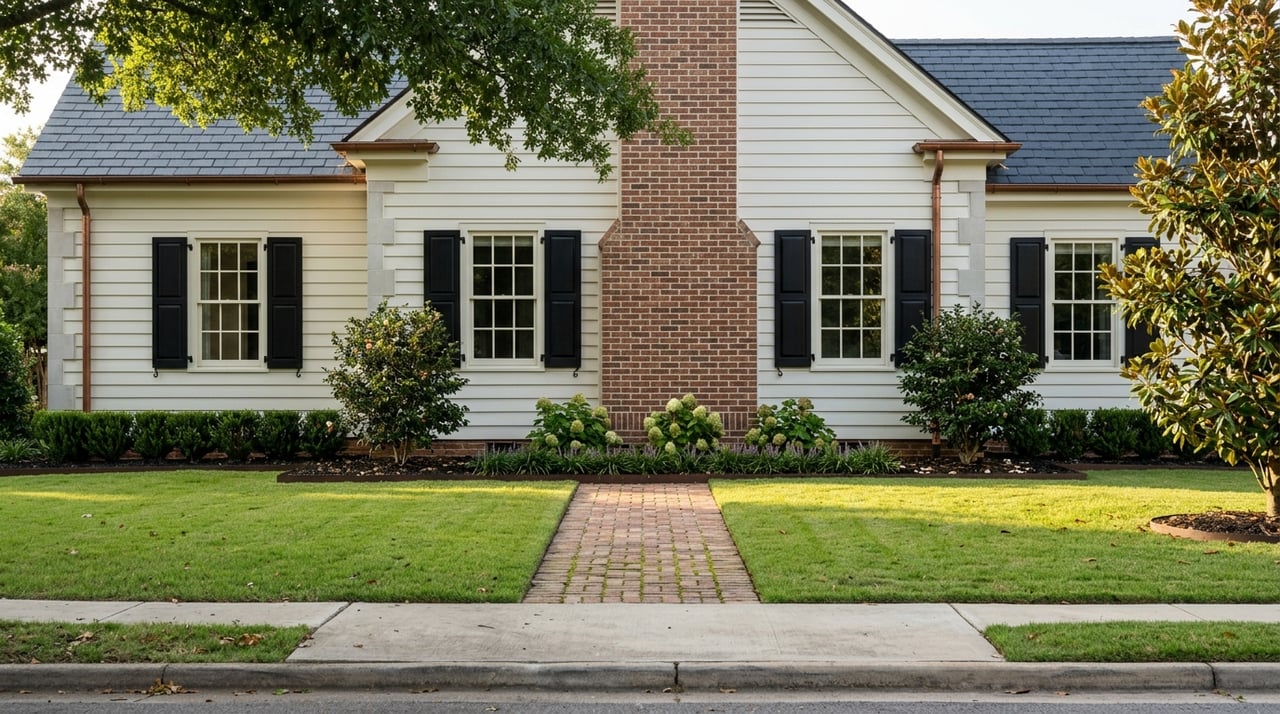
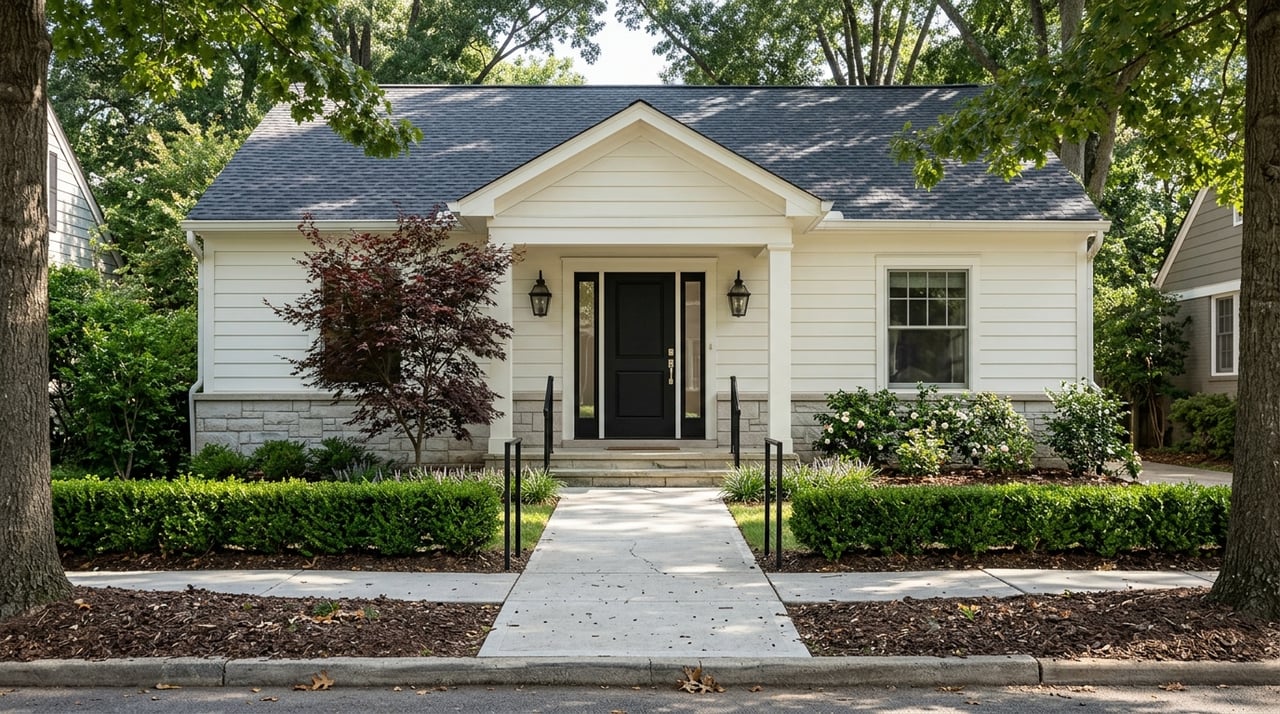
In Ansley Park, the exterior matters more than ever. The neighborhood’s identity is tied to parks, tree canopy, front yards, and gracious streetscapes. Buyers are often forming an opinion before they even step through the front door.
NAR recommends staging the front porch as a place to relax, using seating, flowers, lighting, and an edited landscape that does not overwhelm the facade. That advice fits Ansley Park particularly well. The exterior should feel cared for and period-appropriate, not overly manufactured.
Focus on these curb appeal details
Prioritize:
- A clean and welcoming front entry
- Tidy, controlled plantings
- Porch seating if space allows
- Fresh lighting and visible house numbers
- A clear view of the facade and architectural lines
If your home has a porch, treat it as living space. If it has strong symmetry or distinctive architectural details, make sure landscaping and accessories do not hide them.
Know the line between staging and altering
With a historic property, it is important to separate temporary styling from permanent changes. The City of Atlanta says owners should use its GIS property map to determine whether a property is in a Historic or Landmark District, then review the applicable regulations in Chapter 20 of the city code.
The city also states that any exterior work on a designated property requires a Certificate of Appropriateness in addition to the normal building permit. That means listing preparation should be planned carefully if you are considering more than reversible cosmetic edits.
Usually safe staging updates
Temporary listing prep often includes:
- Furniture removal or replacement
- Accessory edits
- Window treatment changes
- Deep cleaning
- Styling adjustments for photos and showings
Changes to check before proceeding
Permanent exterior work may need review through the city’s historic preservation process. If you are considering changes to visible exterior elements, verify the rules before work begins. That step can help you avoid delays and keep your pre-listing timeline on track.
Make photos and video match reality
Your online presentation is no longer separate from your staging plan. It is part of it. NAR reports that 81% of buyers consider listing photos the most important factor when evaluating properties, and buyers’ agents rank photos, physical staging, videos, and virtual tours as highly important to clients.
That is especially relevant for architecturally significant homes, where first impressions often happen on a screen. A beautifully staged property still needs disciplined photo preparation if you want the listing to feel polished and truthful.
Prepare the house for the camera
NAR’s photo guidance warns that cameras magnify clutter and awkward furniture placement. Before photography or video, open blinds, remove distractions, simplify surfaces, and make sure every room reads clearly from the doorway and main angles.
This is where a tailored plan matters. A house can feel comfortable in person but still look busy online. Strong visual storytelling depends on editing with the lens in mind.
Use virtual staging carefully
Virtual staging can help clarify an empty or hard-to-read space, but it should not rewrite the home. NAR’s 2026 coverage warns against edited images that create buyer disappointment or make the property look materially different from reality.
For a historic Ansley Park home, that means avoiding digital edits that distort scale, conceal original features, or present finishes and conditions that buyers will not actually see. The online story should feel aspirational, but it also needs to be honest.
How much staging is enough?
You do not need to overhaul a historic home to prepare it well. In most cases, enough staging means your key spaces are clean, edited, well lit, and easy to understand. Start with the living room, primary bedroom, kitchen, and curb appeal, because those are the highest-value visual zones supported by the staging data.
From there, let the home’s architecture guide the rest. If a room has beautiful bones, your staging should reveal them. If a room feels visually confusing, simplify until the layout and character are easy to read.
The goal is clarity, not reinvention
The best staging for an Ansley Park home does not flatten its history. It brings that history into focus. When buyers can clearly see craftsmanship, proportion, natural light, and the relationship between the home and its setting, the property feels more compelling and more memorable.
That is where experienced guidance matters. If you are preparing to sell an architecturally significant home in Ansley Park or another intown Atlanta neighborhood, Stacy Shailendra can help you shape a presentation strategy that respects the home’s character while positioning it for the market.
FAQs
How should you stage a historic Ansley Park home before listing?
- Focus first on the living room, primary bedroom, kitchen, and curb appeal, then edit furnishings and accessories so original architecture and natural light remain the visual focus.
Should you modernize a historic Ansley Park home before selling?
- Not necessarily. Selective, reversible updates and thoughtful staging are often enough to make the home feel polished without flattening its original character.
What parts of a historic Atlanta home matter most for staging?
- Original millwork, fireplaces, built-ins, stair details, tall windows, porch spaces, and exterior sightlines often carry the strongest visual value and should remain easy to see.
Can you make exterior changes to a designated historic Atlanta property before listing?
- Exterior work on a designated property may require a Certificate of Appropriateness and normal permitting, so you should verify the property’s status and applicable city rules before making permanent changes.
Is virtual staging okay for an older Ansley Park home?
- Yes, if it helps clarify space and does not misrepresent scale, condition, or permanent architectural features.
Why do photos matter so much when selling an Ansley Park home?
- Buyers often judge a property online first, and strong listing photos can help them understand the home’s layout, character, and presentation before they decide to visit.