What draws you to a neighborhood is more than an address. It’s the curve of a street, the character in a doorway, and the sense that a home has a story to tell. If you love architecture, Ansley Park invites you to slow down and look closely. In this guide, you’ll learn what styles define the neighborhood, how to evaluate an older home, and what to know about renovations and approvals so you can buy or sell with confidence. Let’s dive in.
Why Ansley Park stands out
Ansley Park was designed in the early 1900s as a garden suburb with curving streets, park islands, and generous green spaces. The setting feels calm and connected, with sidewalks, a mature tree canopy, and quick access to Midtown’s cultural life and Piedmont Park. You get an in‑town address with a residential pace, plus architectural variety that keeps every block interesting.
A quick timeline
Construction began in the pre–World War I era and continued through the 1930s and 1940s. You’ll also see mid‑century additions and later infill homes. Many properties have been thoughtfully renovated in recent decades as demand for intown living has grown. Selective teardowns and new builds appear where zoning and guidelines allow.
Signature styles you’ll see
Craftsman and Bungalow
- Low‑pitched gabled roofs, wide eaves with exposed rafters, and deep porches with tapered or square columns.
- Warm details inside like built‑ins, wood trim, and original double‑hung windows.
- Buyer notes: Expect smaller kitchens and baths and older systems in unrenovated homes. Porches and exposed wood need routine care to prevent rot or termite issues.
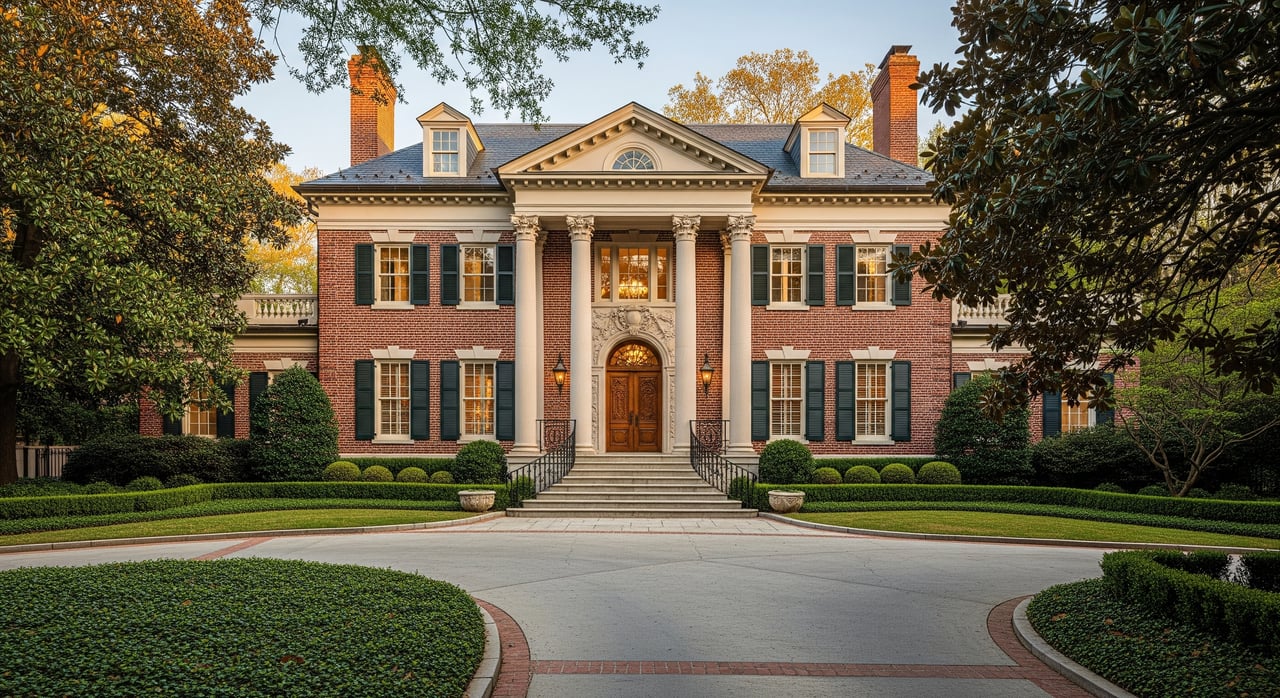
Colonial Revival and Georgian Revival
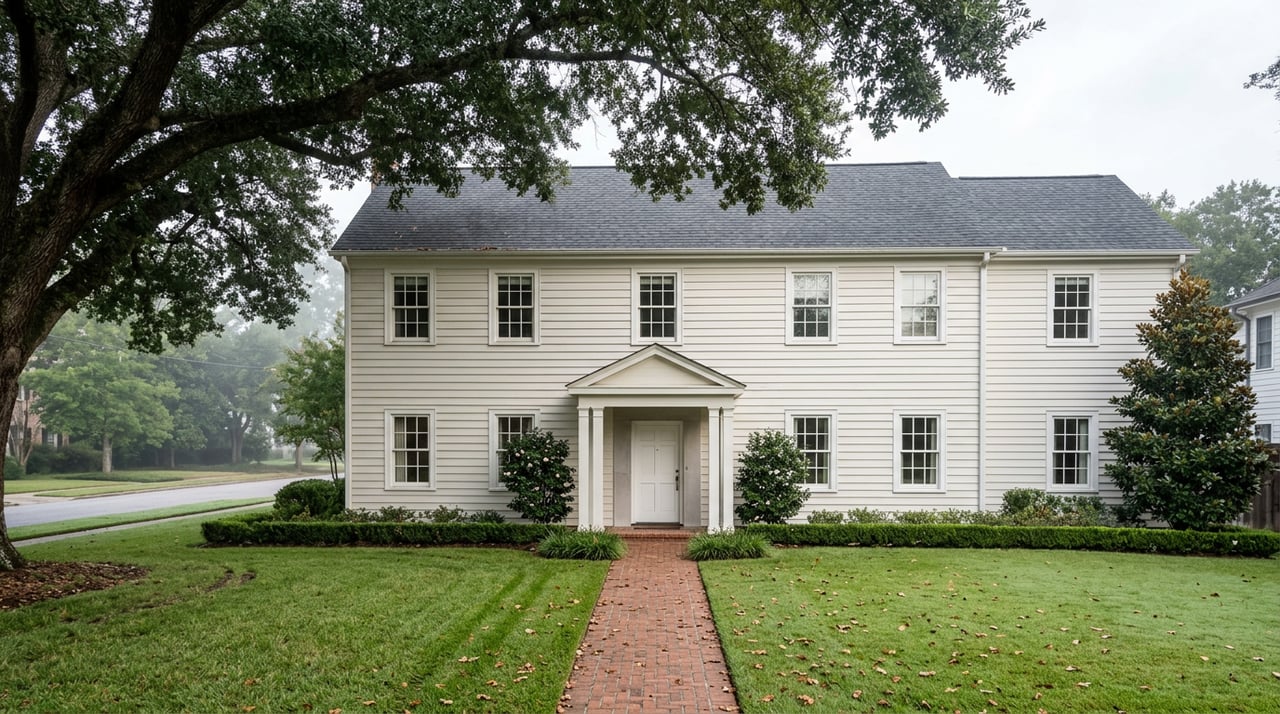
- Symmetrical facades, centered entries with pediments, classical columns, and multi‑pane windows.
- Brick or wood clapboard exteriors with formal, larger floor plans.
- Buyer notes: Many have modern updates, but always check foundations, chimneys, and mechanical systems.
Tudor Revival and other Period Revivals
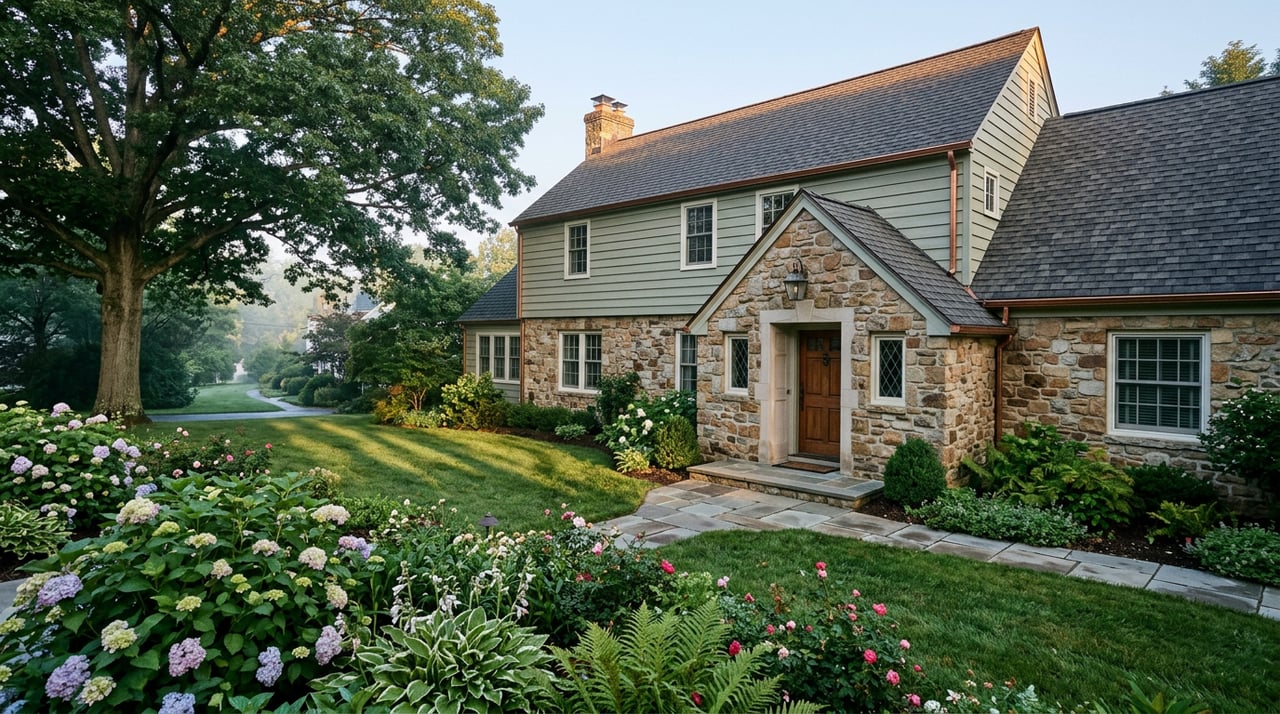
- Steep gables, half‑timbering, tall narrow windows, and arched doorways with brick or stone accents.
- Rich textures that give strong curb appeal.
- Buyer notes: Complex roofs and masonry can be costlier to maintain. Original single‑pane windows and lead paint may be present in older examples.
Neoclassical, Beaux‑Arts, and Mediterranean influences
- Grand columns, formal symmetry, and in some cases tile roofs and stucco.
- These are statement homes with presence.
- Buyer notes: Original ornamental details can require specialized care. When maintained well, these properties tend to show strong resale appeal.
Mid‑century Modern and Ranch
- Single‑story profiles with open plans, larger windows, and carports or attached garages.
- Flat or low‑pitched roofs and casual indoor‑outdoor flow.
- Buyer notes: Systems are often newer than early 20th‑century homes but still evaluate HVAC, insulation, and drainage. Some have slab foundations that require careful moisture management.
Contemporary and Infill
- Larger footprints and modern interiors built from the 1990s to today, ranging from sleek modern to neo‑traditional.
- Newer construction typically meets current codes and energy standards.
- Buyer notes: Design review or neighborhood guidelines may shape exterior changes. Consider how the home fits the historic streetscape.
What this means for buyers
Older Atlanta homes often feature pier‑and‑beam foundations with crawlspaces, single‑pane windows, and aging systems. These elements are part of the charm and can be managed with the right plan. Your goal is to preserve character while modernizing for comfort, energy efficiency, and safety. A well‑executed update supports long‑term value in Ansley Park.
Quick inspection checklist
- Structure and moisture: Look for foundation settling, crawlspace humidity, wood rot, and proper grading away from the house.
- Roof and water control: Note roof age, flashing around chimneys and valleys, and gutter performance with downspout drainage.
- Exterior materials: Check wood trim for rot or termite activity and evaluate mortar on brick and chimneys.
- Windows and doors: Test operation and weather‑tightness. Decide if you’ll restore or add storm windows to improve efficiency.
- Systems: Confirm electrical panel capacity and grounded circuits, HVAC age and service history, and plumbing materials.
- Energy: Review attic insulation and duct condition to plan cost‑effective upgrades.
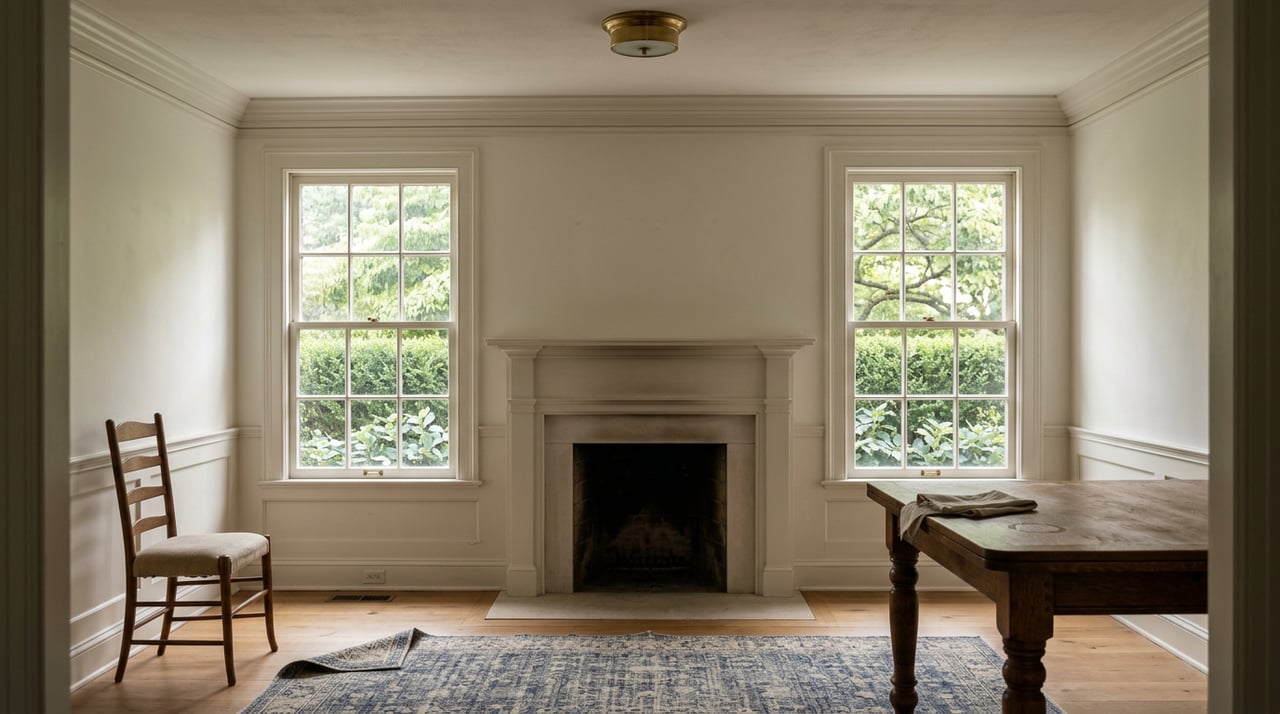
- Historic features: Identify original elements like built‑ins, staircases, and moldings to prioritize preservation.
Renovation and preservation essentials
Ansley Park values its architectural character. Before changing a facade, adding on, or planning a teardown, confirm if your property sits in an area that requires design review or a Certificate of Appropriateness. The City of Atlanta’s Historic Preservation Division and Office of Planning, along with the Ansley Park neighborhood association, are key resources to understand rules, timelines, and best practices.
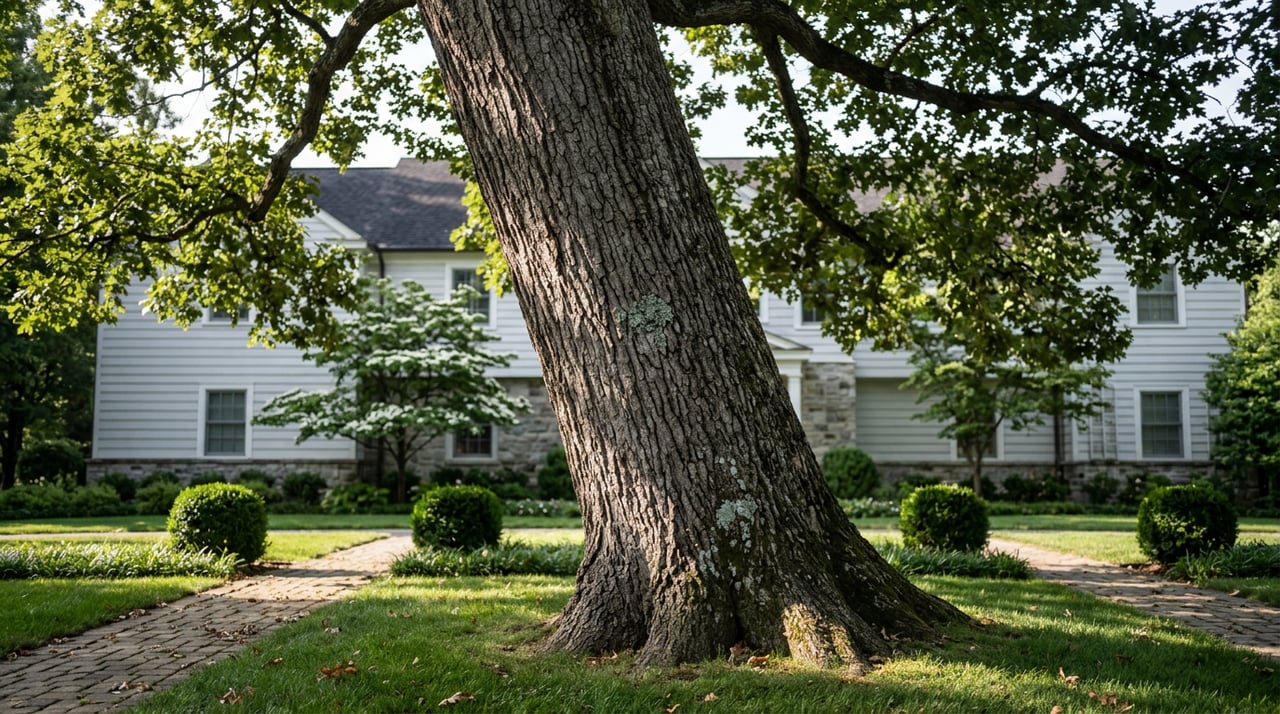
Tree protection and stormwater management matter in design and budgets. Large canopy trees are part of the streetscape and often require permits for removal or impact. Grading limits and impervious surface ratios can influence your addition size, driveway changes, and site work. Plan for building permits, site plan review, and, where applicable, historic approvals.
For best results, assemble a team with experience in older homes. That often includes a preservation‑savvy architect, a contractor who knows historic systems, a licensed home inspector, and an arborist when tree work is involved. The right advice early helps you avoid costly detours and protects the home’s integrity.
Market and lifestyle context
Buyers choose Ansley Park for design, walkability, and proximity to parks and cultural amenities. Piedmont Park and Midtown arts and dining are close by, and many streets include landscaped park islands that create a relaxed feel. Properties near neighborhood landmarks, including clubs like Ansley Golf Club, often command attention. In general, well‑preserved period homes and high‑quality modern infill perform well when updates are sympathetic to the original character.
Value is driven by condition, lot size, and the quality of renovation. Sensitive additions that respect rooflines, window patterns, and materials tend to support resale. In contrast, oversized or incongruent changes can hold back value compared to homes with thoughtful upgrades.
Smart steps to shop with confidence
- Define your style priorities. Do you want original wood windows and built‑ins, or a move‑in ready home with newer systems?
- Budget for improvements. Plan for electrical, HVAC, and insulation work in older homes, plus restoration of porches and exterior trim.
- Verify rules early. Ask the City of Atlanta and the neighborhood association about permits, design review, and COA requirements.
- Inspect the site, not just the structure. Drainage, tree health, and hardscape can influence comfort and cost.
- Partner with specialists. Hire professionals who work with older homes and understand Ansley Park’s expectations.
Thinking of selling?
Focus on presentation and preservation. Highlight original details in your marketing, and complete punch‑list items that signal care, such as fresh mortar repair, tuned gutters, and porch maintenance. If you’ve improved systems or added insulation, make those upgrades easy to verify for buyers. Well‑lit photography and clear storytelling help buyers appreciate both character and comfort.
When you list, position your home within the neighborhood’s architectural narrative. Emphasize proximity to parks and cultural amenities, plus any sensitive renovation choices that respect the streetscape. These elements help attract discerning buyers who value design and are willing to pay for quality.
If you are ready to explore Ansley Park’s most iconic homes or want a tailored plan for listing, reach out to Stacy Shailendra for white‑glove guidance that balances design, preservation, and market strategy. Start the conversation with Stacy Shailendra.
FAQs
Is Ansley Park officially historic and are renovations restricted?
- Some areas may require design review or a Certificate of Appropriateness for exterior changes. Always confirm requirements with the City of Atlanta and the neighborhood association before starting work.
What issues should I expect in older Ansley Park homes?
- Common items include aging electrical and plumbing, less insulation, moisture in crawlspaces, and maintenance needs at roofs, porches, and original woodwork.
Can I tear down and build new in Ansley Park?
- Teardowns happen where zoning allows, but feasibility depends on lot coverage, setbacks, impervious limits, and any historic or neighborhood design review. Approvals can add time.
How does preserving original details affect my budget?
- Authentic materials and skilled trades can cost more upfront, but preservation often protects long‑term value. Consider reversible upgrades like storm windows to balance character and efficiency.
Which professionals do I need for an Ansley Park purchase or renovation?
- Work with a local real estate advisor, a home inspector familiar with older homes, a preservation‑minded architect, an experienced contractor, and an arborist when large trees are involved.
What factors drive resale value in Ansley Park?
- Proximity to parks and Midtown amenities, lot size, quality of renovations, and respect for architectural character are key drivers of value.