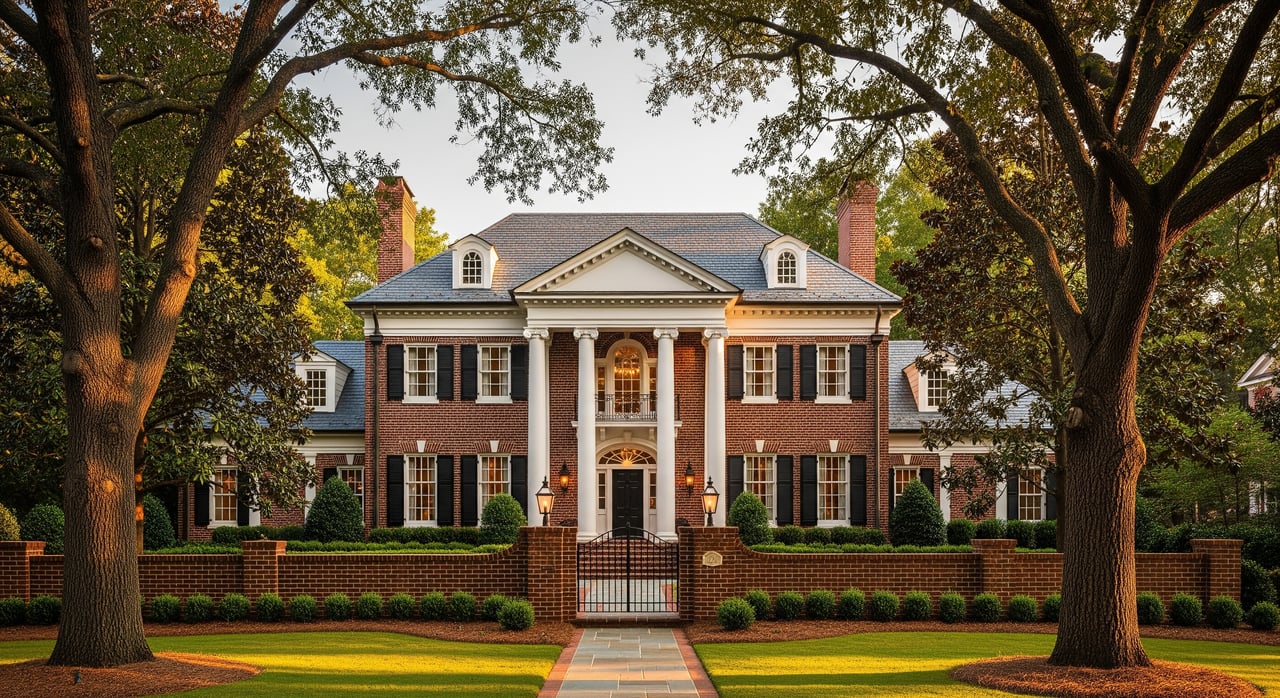
You just went under contract on a home in 30306, and the clock is ticking. The due diligence period is your window to look under the hood, confirm what you’re buying, and decide if you want to move forward. It can feel fast, especially with historic properties in Ansley Park, but a clear plan keeps you in control. This guide breaks down what the due diligence period really means in Georgia, what to do day by day, and how to negotiate with confidence. Let’s dive in.
What due diligence means in Georgia
The due diligence period is a contractually defined window after your offer is accepted. During this time, you investigate the property and decide whether to proceed to closing. In common Georgia contracts, you have the express right to terminate during this window if you follow the notice rules in the agreement.
You use this period to complete inspections, review documents, coordinate financing, verify title, and get clarity on any limits that could affect your plans. The language in your contract matters, so confirm dates, deadlines, and procedures upfront.
Due diligence fee vs. earnest money
These two deposits serve different purposes:
- Due diligence fee: Typically paid directly to the seller. It compensates them for taking the home off the market during your window. It is negotiated, often non-refundable if you terminate after the period ends, and may be credited to your purchase price at closing.
- Earnest money: A separate deposit held in escrow by a closing attorney or brokerage. Whether it is refundable depends on your contract contingencies and the timing of any termination.
Contract terms and local practice vary, so ask your agent to walk you through how your specific agreement handles both deposits.
What to do in the first 72 hours
Speed matters in 30306. Specialist schedules fill quickly, and some tests need lab time. Use your first three days wisely.
- Confirm your due diligence start and end dates and how termination notice must be delivered.
- Deliver the due diligence fee and earnest money on time.
- Book the general home inspection immediately. Secure spots for key specialists: structural engineer, roof, HVAC, electrical, plumbing, termite, and sewer camera.
- Ask for seller disclosures, any available permits, and renovation history.
- Tell your lender the contract is active so appraisal and underwriting can stay on track.
Ansley Park tasks that take longer
Historic homes often require deeper investigation and more coordination. Build in time for:
- Structural and engineering evaluations for older foundations or settlement concerns.
- Checks on historic-era systems, such as older wiring, original plumbing, chimneys, and windows.
- Sewer lateral camera inspections for root intrusion or clay pipe issues.
- Lead-based paint or asbestos testing if the home predates 1978, plus lab turnaround.
- Preservation review if the property sits in a local historic district or has a recorded easement that limits exterior changes.
Typical timelines in 30306
Due diligence length is negotiated. Here are common ranges observed in Atlanta:
- Competitive seller’s market: about 3 to 10 days
- Typical Atlanta residential: about 7 to 14 days
- Luxury or historic homes in Ansley Park: about 14 to 30 days or more
Buyers often request more time for specialist inspections and contractor quotes on larger homes. Sellers may counter with a shorter window or a larger due diligence fee.
Sample 30306 timeline you can follow
Use this as a practical framework and adjust to your contract dates.
- Day 0: Contract ratified. Due diligence begins. Deliver due diligence fee to the seller and earnest money to escrow per deadlines.
- Days 1–3: General home inspection. Book structural engineer, roof, HVAC, electrical, plumbing, termite, and sewer camera. Start title order.
- Days 3–7: Receive the inspection report. Order any needed lab tests for lead or asbestos. Schedule a survey if one is not current.
- Days 7–14: Receive specialist reports and preliminary contractor estimates for significant items.
- Days 10–18: Review title commitment and exceptions. Pull HOA or municipal files if applicable. Verify any historic district or preservation restrictions.
- Days 14–21: Decide on repair or credit requests if your contract allows for that negotiation. Or confirm you will proceed without requests.
- By the end of DDP: Either terminate per contract procedures or remove contingencies and move forward. Lender appraisal and underwriting continue in parallel.
- Post-DDP: Finalize loan conditions, secure clear-to-close, and finalize your closing date, often 30 to 45 days after contract.
Key takeaway: secure inspection slots immediately after ratification. Specialist availability often sets the pace.
Negotiation levers that matter
Everything below is commonly negotiated. Use what aligns with your goals and the property condition.
- Length of the due diligence period
- Amount of the due diligence fee
- Who pays for repair items or how credits will be handled
- Scope of contingencies, including inspection, appraisal, and financing
- Earnest money amount and release conditions
- Closing date and any occupancy or possession terms
Strategies for historic homes in Ansley Park
To protect your plans and timeline, consider:
- Confirming any historic district status or preservation easements early if you plan renovations.
- Extending the due diligence period when significant structural, roof, or system issues require engineering reports and multiple contractor bids.
- Requesting credits when work is extensive so you can control the quality and timing post-closing.
- Accounting for contractor lead times, especially for masonry, chimney, or historic window specialists.
- Exploring potential preservation tax considerations early if you intend to pursue incentives for rehab.
Quick due diligence checklist
Use this as your step-by-step guide for 30306.
- Confirm due diligence start and end dates and termination notice procedures.
- Deliver the due diligence fee and earnest money on schedule.
- Book the general inspection within 24 to 72 hours.
- Schedule specialists immediately: structural engineer, sewer camera, termite, HVAC, and electrical.
- Order a current survey and review boundaries and easements.
- Request seller disclosures and any available permits and renovation history.
- Obtain the title commitment and review exceptions with your closing attorney or title company.
- Check any local historic district status, preservation easements, and zoning or permit constraints.
- Verify floodplain status and any stormwater considerations.
- Pull contractor estimates if major defects appear.
- Coordinate appraisal and underwriting timing with your lender.
- Decide to proceed or terminate before your due diligence expires. Deliver notices exactly as required.
Common red flags to watch
Not every finding is a deal-breaker. The goal is clarity on scope and cost.
- Roof, gutter, or chimney issues causing water intrusion
- Active foundation movement or significant settling
- Unpermitted additions or prior work without permits
- Old fuel tanks or any signs of soil contamination
- Moisture or ventilation problems in crawlspaces or basements
- Severely corroded or collapsed clay sewer lines
- Conservation or preservation restrictions that limit exterior changes
Avoid these buyer mistakes
Even seasoned buyers can miss the basics when time is tight. Here is how to stay on track.
- Waiting to book specialists. In historic areas, engineers and sewer contractors can be a bottleneck.
- Overlooking the survey. Older urban lots can have surprises with boundaries and easements.
- Missing notice procedures. If you decide to terminate, you must deliver notice exactly as your contract states.
- Assuming post-DDP repairs are guaranteed. After your window closes, the seller is not required to accept new requests.
- Skipping permit and records review. Understand what was done, when, and whether it was permitted.
Work with local pros who know 30306
Your due diligence period is about informed decisions. Lean on your agent, lender, inspectors, and closing attorney to interpret findings, sequence tasks, and keep deadlines tight. With historic or luxury homes, specialist knowledge and contractor access are just as important as the inspection itself.
If you want a clear plan for your due diligence in Ansley Park, along with vetted inspectors and a negotiation strategy tailored to your goals, connect with Stacy Shailendra. You will get calm, detailed guidance and discreet representation from offer to close.
FAQs
What is the due diligence period in a Georgia home purchase?
- It is a negotiated window after your offer is accepted when you can inspect the property and decide whether to proceed, with a contractual right to terminate if you follow the agreement’s notice terms.
How do due diligence fee and earnest money differ in Georgia?
- The due diligence fee typically goes to the seller and may be non-refundable after the window closes, while earnest money sits in escrow and its refund depends on your contingencies and timing.
How long is a typical due diligence period for Ansley Park homes?
- Luxury and historic homes in 30306 often see 14 to 30 days or more, while broader Atlanta practice ranges from about 7 to 14 days, and as short as 3 to 10 days in competitive markets.
Which inspections should I prioritize for a historic Ansley Park house?
- Start with a general inspection, then line up a structural engineer, sewer camera scope, termite inspection, roof and HVAC diagnostics, and specialist checks for electrical and plumbing.
Can I still negotiate repairs after the due diligence period ends?
- Your unilateral right to terminate under that clause usually expires when the window closes, so the seller is not required to accept new repair requests afterward.
Do I need a new survey if the seller has one on file?
- A current survey is wise for older urban lots to confirm boundaries, encroachments, and easements, even if a prior survey exists.