Think Buckhead luxury is one big market? It isn’t. Within a few miles you have walkable condo towers, classic intown streets, and rare estate corridors with deep setbacks and gated drives. If you’re aiming to buy or sell well, you need to read each micro-market on its own terms. This guide gives you a clear picture of how Buckhead’s luxury segments, price bands, and timelines work so you can move with confidence. Let’s dive in.
Buckhead is many markets
Buckhead is best understood as a set of micro-markets shaped by lifestyle, lot size, and amenity access. Values respond to different signals in each area. Treating them as one big luxury zone can lead to mispricing and missed opportunities.
Walkable condo corridors
High-rise luxury clusters around Peachtree Road, Buckhead Village, and the Lenox-Phipps area. These buildings offer concierge service, secure parking, and robust amenities. Buyers here prize proximity to dining, retail, and short commutes. HOA fees and reserve health play a major role in value and monthly carrying costs.
Intown single-family streets
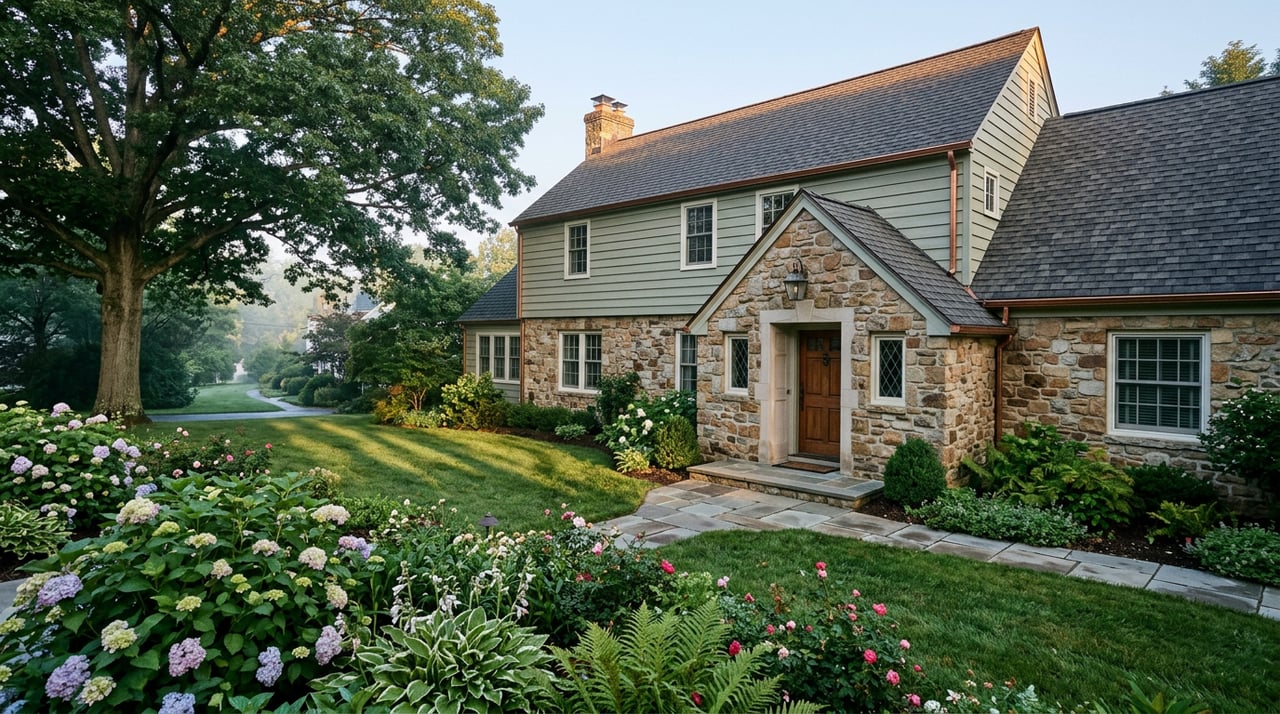
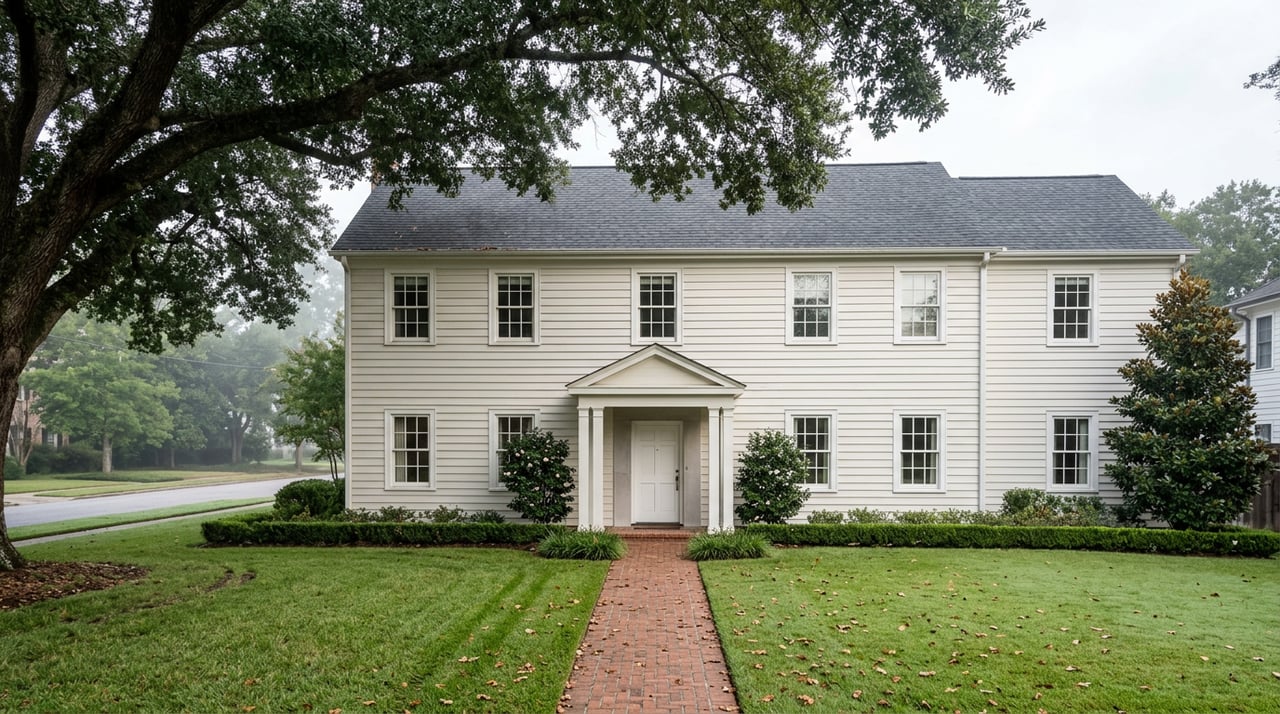
Neighborhoods such as Peachtree Hills, Garden Hills, Buckhead Forest, and North Buckhead feature tree-lined blocks and a mix of renovated early-20th-century homes, mid-century rebuilds, and modern infill. Lot sizes are smaller than estate corridors, and walkability varies by block. Renovation quality and architectural integrity drive price per square foot.
Estate corridors
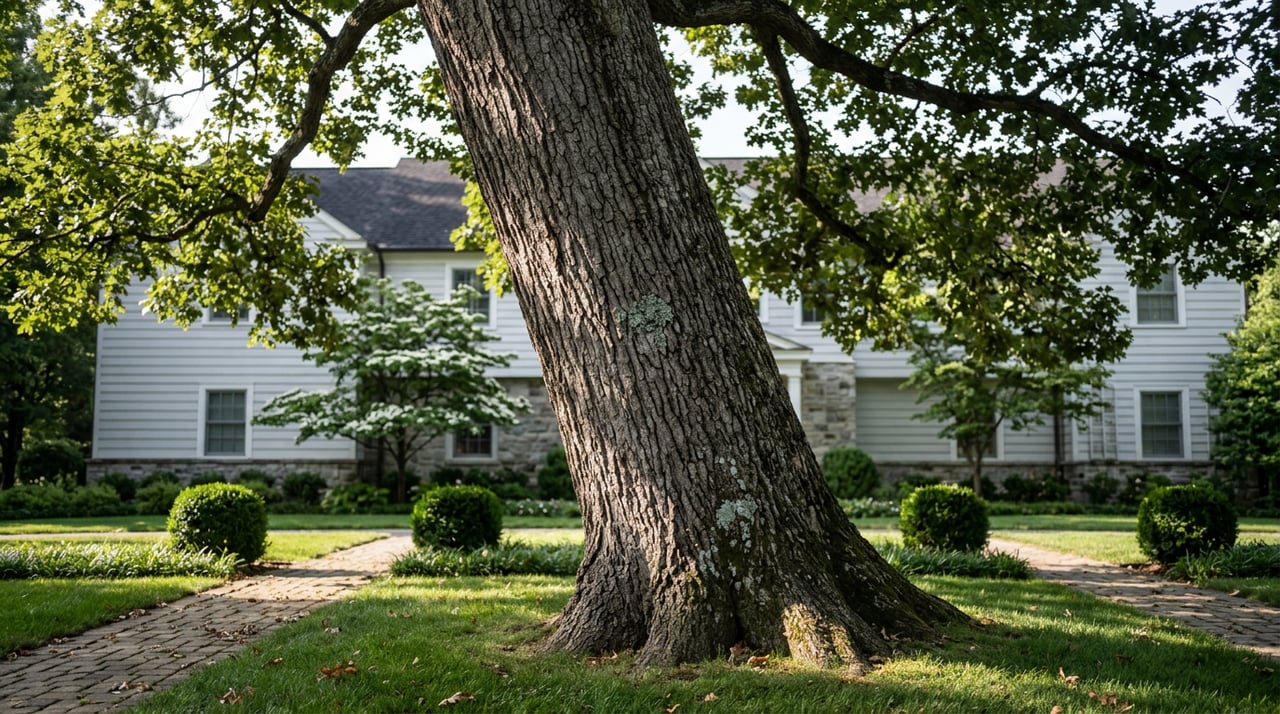
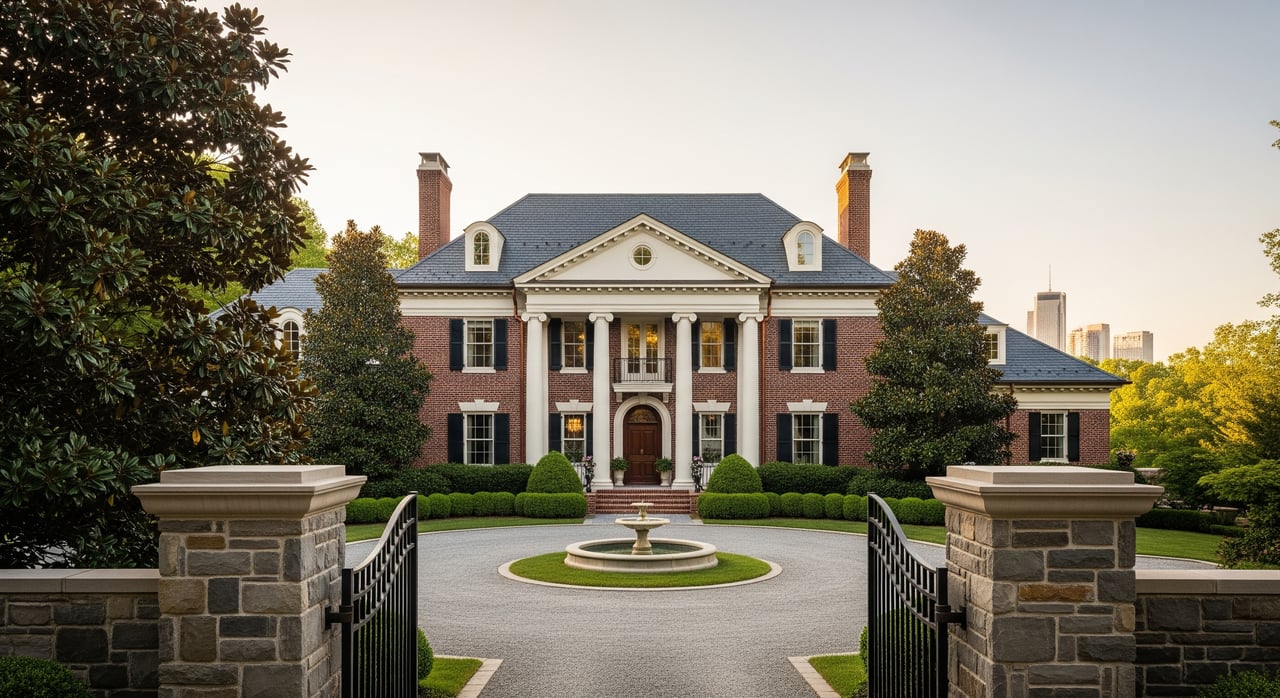
West Paces Ferry, Paces Ferry, and select stretches near Buckhead’s Peachtree spine include legacy estates on large lots. Expect privacy, mature canopy, gated drives, and formal landscaping. Inventory is limited and transactions are infrequent, which affects pricing leverage and appraisal approaches.
Sub-estate and new-build enclaves
Tear-down lots and infill sites have produced gated pockets of contemporary estates. These properties emphasize modern mechanical systems, smart-home features, and premium finishes. Price per square foot often reflects new-construction standards and the convenience of lower maintenance.
Park and amenity nodes
Chastain Park and the PATH400 corridor influence value in adjacent pockets. Recreation, trails, and performing arts access can shift buyer demand within a few blocks. These amenities often serve as tie-breakers when homes are otherwise comparable.
What drives value by segment
- Condos: building reputation, amenity level, concierge quality, HOA fees and reserves, and walkable access to retail and dining.
- Intown homes: architectural character, renovation scope, lot usability, and quiet street positioning.
- Estate properties: lot size, privacy, landscape pedigree, guest houses and pools, and historical significance.
- New-build estates: energy efficiency, mechanical systems, tech integration, and modern floor plans.
- Proximity to parks and connectivity paths: daily lifestyle benefits that show up in buyer decision-making.
Product types and architecture
Luxury high-rise condo
Expect concierge service, elevators, secure parking, and amenity suites like pools and gyms. HOA fees materially affect monthly costs and should be compared across buildings. Reserve strength and any special assessments matter to both buyers and sellers.
Intown luxury single-family
These are renovated period homes and tasteful rebuilds on roughly 0.2 to 0.75 acre lots, depending on the block. Renovation quality, floor plan flow, and outdoor living spaces drive results. Sellers benefit from staging and strong visual presentation.
Estate property
Large lots, deep setbacks, and formal landscaping define top-tier estates. Many include guest houses, multi-car garages, and pools. Historic mansions and modern estates trade in the same corridors, but buyers must account for different maintenance profiles.
New-build modern estates
Contemporary projects deliver high mechanical standards, energy-efficient systems, and smart-home integration. They often command a premium per square foot due to new systems and lower near-term maintenance. Punch-list readiness can affect closing timelines.
Luxury townhome and infill
Multi-level, low-maintenance homes with small footprints suit downsizers and busy professionals. Gated entries, elevator readiness, and lock-and-leave convenience are typical draws. HOA scope and rules should be reviewed early.
Architectural segments to know
- Early 20th-century revival styles like Colonial or Tudor offer original charm that is often updated.
- Mid-century and 1960s modern homes can be renovation candidates or tear-downs, depending on lot value and condition.
- Contemporary new construction emphasizes open plans and performance systems.
- Traditional brick estates are common, with preservation and maintenance tradeoffs to weigh.
Price bands that fit Buckhead
Instead of fixed dollar cutoffs, think in tiers. Pull current figures from your MLS snapshot for precision, then place listings within these ranges:
- Entry luxury: Above the Buckhead median but not top-end. Includes more accessible concierge condos and renovated intown homes. Ideal for those seeking lifestyle and quality without the estate premium.
- Prime luxury: Top decile to top quartile of local values. Often larger lots, extensive renovations, or premium locations within micro-markets.
- Estate or top-tier: The top 1 to 5 percent of properties by price and lot quality in corridors like Paces Ferry and similar legacy avenues.
Label each tier with buyer profiles and keep ranges marked “current as of [date]” using live MLS data. This keeps your pricing narrative accurate as the market shifts.
How offers and closings work at the top
Inventory, comps, and pricing
Sparse comparables make pricing an art and a science. Sellers often create a pricing narrative that highlights estate-level attributes rather than aiming for a single comp number. Buyers should request a deep comp analysis plus an appraisal contingency strategy to manage risk.
Common contingencies in Georgia
You will see financing, inspection, appraisal, and title review contingencies. In luxury deals, inspection periods may expand to include structural, roofing, pool, electrical, and systems specialists. Title and survey work are standard, and condo transactions require association document reviews.
Typical time-to-close
- All-cash: Often 7 to 21 days if title, surveys, and any HOA documents are ready.
- Conventional mortgage: Commonly 30 to 45 days due to underwriting, appraisal, and title work.
- Jumbo loans: Frequently 45 to 60 days given stricter documentation and appraisal complexity.
- New construction: Expect 60 to 180 days depending on build stage and punch-list completion.
- Condo or HOA deals: Add 7 to 14 days if estoppel letters or association packages are delayed.
Due diligence that protects you
Use a thorough checklist to prevent surprises:
- Recent comparable sales from the immediate micro-market over the last 12 to 24 months.
- Parcel survey and boundary review, with attention to easements.
- Title report with a clear plan for any exceptions.
- HOA or condo estoppel and reserve analysis for attached or managed communities.
- Expanded inspections: structural, roof, foundation, HVAC, pool and spa, and pest reports.
- Appraisal strategy for potential appraisal gaps, including cash bridge options.
- Utility usage and property tax history via county records.
- Permits and renovation history through city building records.
- Environmental and land considerations: tree protection and buffer zones near creeks.
Decision cues for smart moves
- Lot size and privacy vs upkeep: Lots over 1 acre deliver privacy and landscape prestige but require estate-level maintenance. Budget accordingly.
- Renovate or rebuild: Mid-century or older homes may be best as renovation projects or tear-downs. Weigh lot value and replacement cost.
- Walkability and services: Condo buyers often pay a premium for walkable retail and concierge amenities.
- Schools: Buckhead includes respected private schools and is served by specific public school zones. Use official tools and school websites to research zones and enrollment directly.
- Flood and drainage: Peachtree Creek and smaller streams intersect parts of Buckhead. Confirm flood maps and local stormwater records during due diligence.
- Historic and overlay rules: City historic preservation designations can shape renovation scope and timelines.
Negotiation and marketing dynamics
Private showings and broker previews are common in the upper tiers. Professional photography and drone work are high ROI, especially for showcasing canopies and grounds. Escrow deposits, proof of funds, and pre-approvals are scrutinized, and escalation clauses or pre-inspection periods may be used selectively. With limited comps, sellers benefit from a clear narrative supported by polished media.
Next steps to read the market
- Start with a live MLS snapshot for your target corridor. Check active inventory, recent solds, and days to contract.
- Map your lifestyle to the right micro-market. Decide if walkability, privacy, park access, or travel time is your primary driver.
- Choose your financing lane early. Cash closes fastest. Jumbo loans require more documentation and time, so line up a lender with local experience.
- Plan your due diligence calendar now. Slot inspections, surveys, and HOA document reviews into the timeline so you can perform quickly and negotiate from strength.
When you want a refined, data-backed plan for buying or selling in Buckhead’s luxury tiers, partner with an advisor who lives these micro-markets every day. For valuation, staging and cinematic marketing, curated showings, and seasoned negotiation, reach out to Stacy Shailendra. Request Your Home Valuation.
FAQs
What defines Buckhead luxury vs the wider Atlanta market?
- Buckhead luxury is a set of micro-markets with distinct value drivers, from walkable high-rises to estate corridors. Think in tiers relative to local percentiles rather than a single price point.
How long does a Buckhead luxury purchase usually take?
- Cash can close in 7 to 21 days. Conventional loans are often 30 to 45 days. Jumbo loans can run 45 to 60 days, with new construction at 60 to 180 days.
How do condo fees affect value in Buckhead high-rises?
- HOA fees and reserve strength affect both carrying costs and long-term maintenance risk. Compare what fees cover, reserves, and any special assessments across buildings.
What makes an estate corridor property command a premium?
- Larger lots, privacy, legacy landscaping, and limited inventory. Deep setbacks and gated drives add to perceived and market value.
How should I price a Buckhead luxury home when comps are sparse?
- Use a broker-led comp analysis and set a narrative within the right tier. Pair with an appraisal strategy and strong media to position the home precisely.
What should I review before offering on a Buckhead condo?
- The HOA estoppel letter, reserves, recent assessments, building rules, and any upcoming capital projects. Align these with your financing and timeline.
How should I think about schools during my search?
- Review official public school zone tools and private school websites directly. Your agent can provide neutral resources and help you verify zones during due diligence.